Muck Diving
Muck diving in Gili Gede offers a unique underwater adventure for divers who love discovering hidden marine life.
Instead of colorful coral reefs, muck dives focus on sandy bottoms, seagrass areas, and volcanic slopes where rare macro creatures like nudibranchs, seahorses, frogfish, octopus, cuttlefish, and shrimp can be found. It is perfect for underwater photographers and divers who enjoy spotting the small, unusual, and fascinating creatures of the ocean.
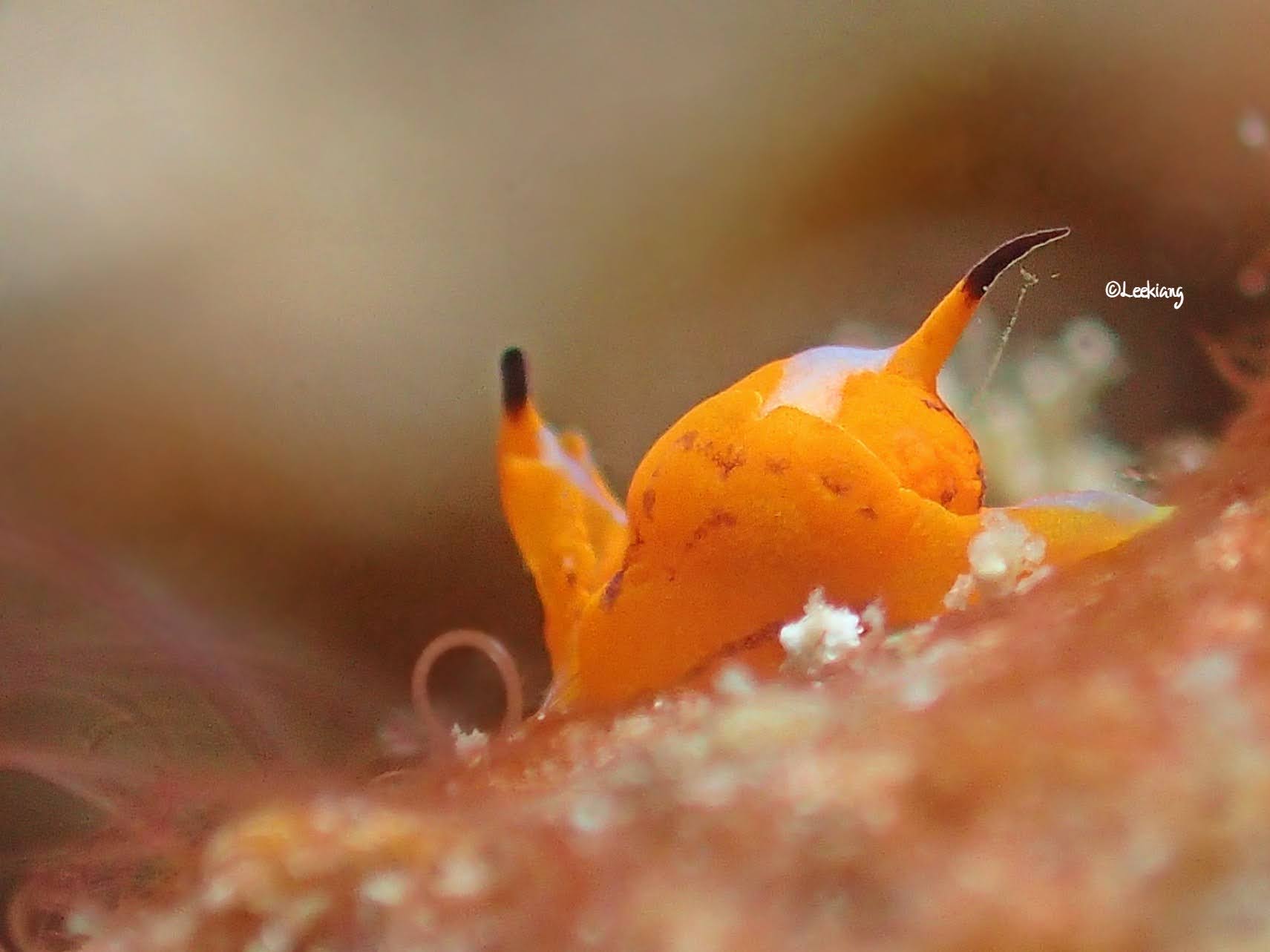
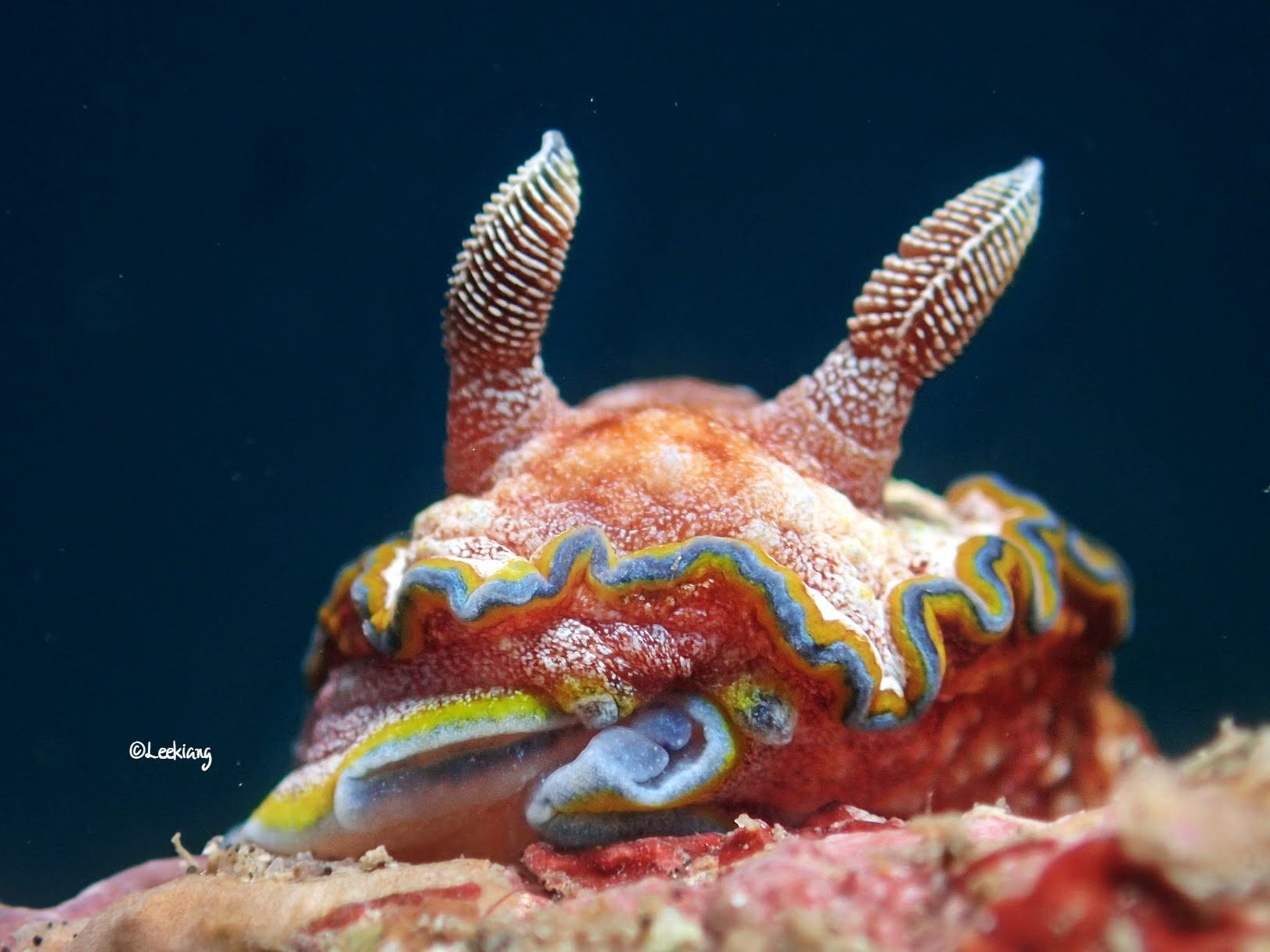
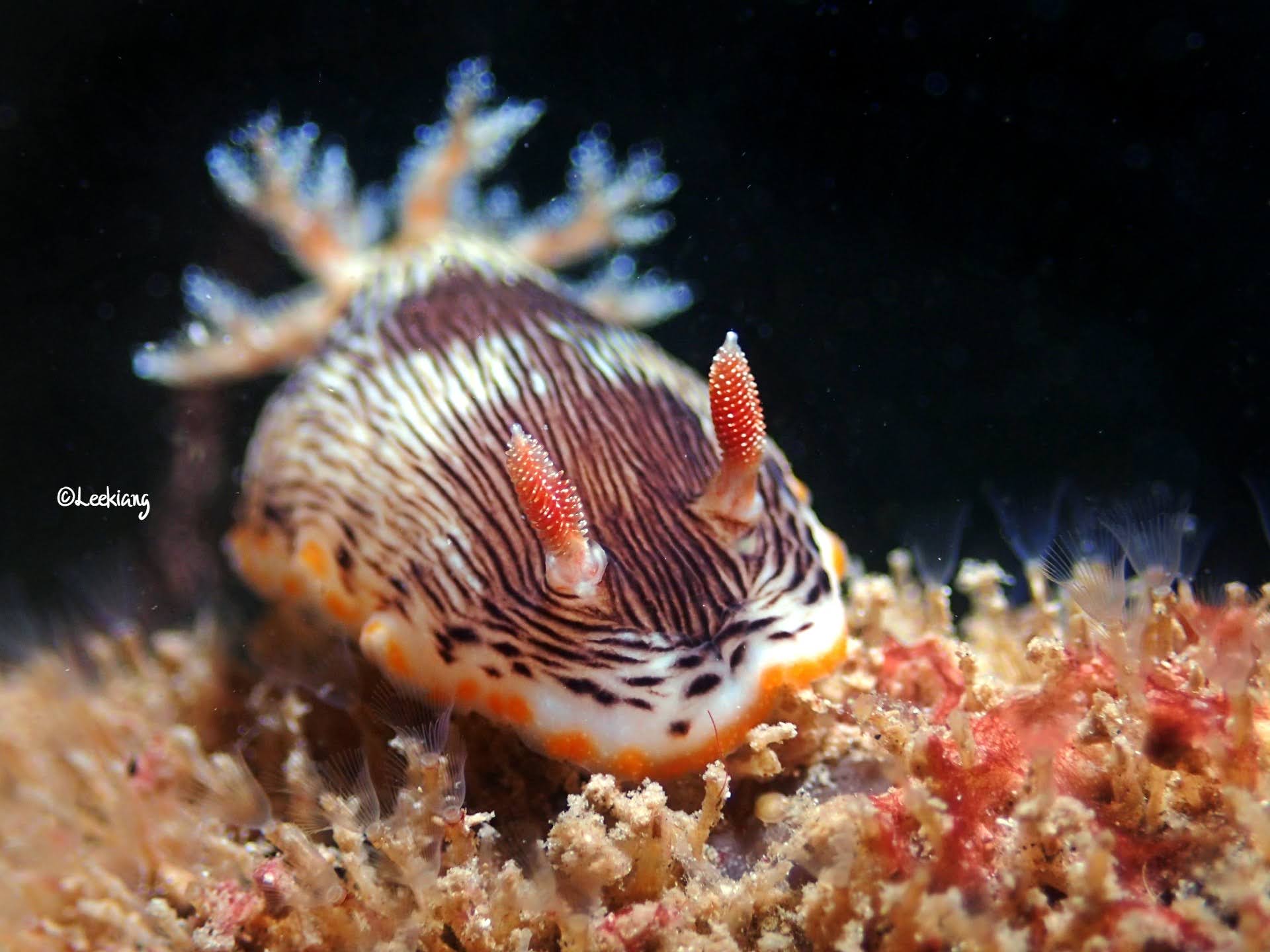

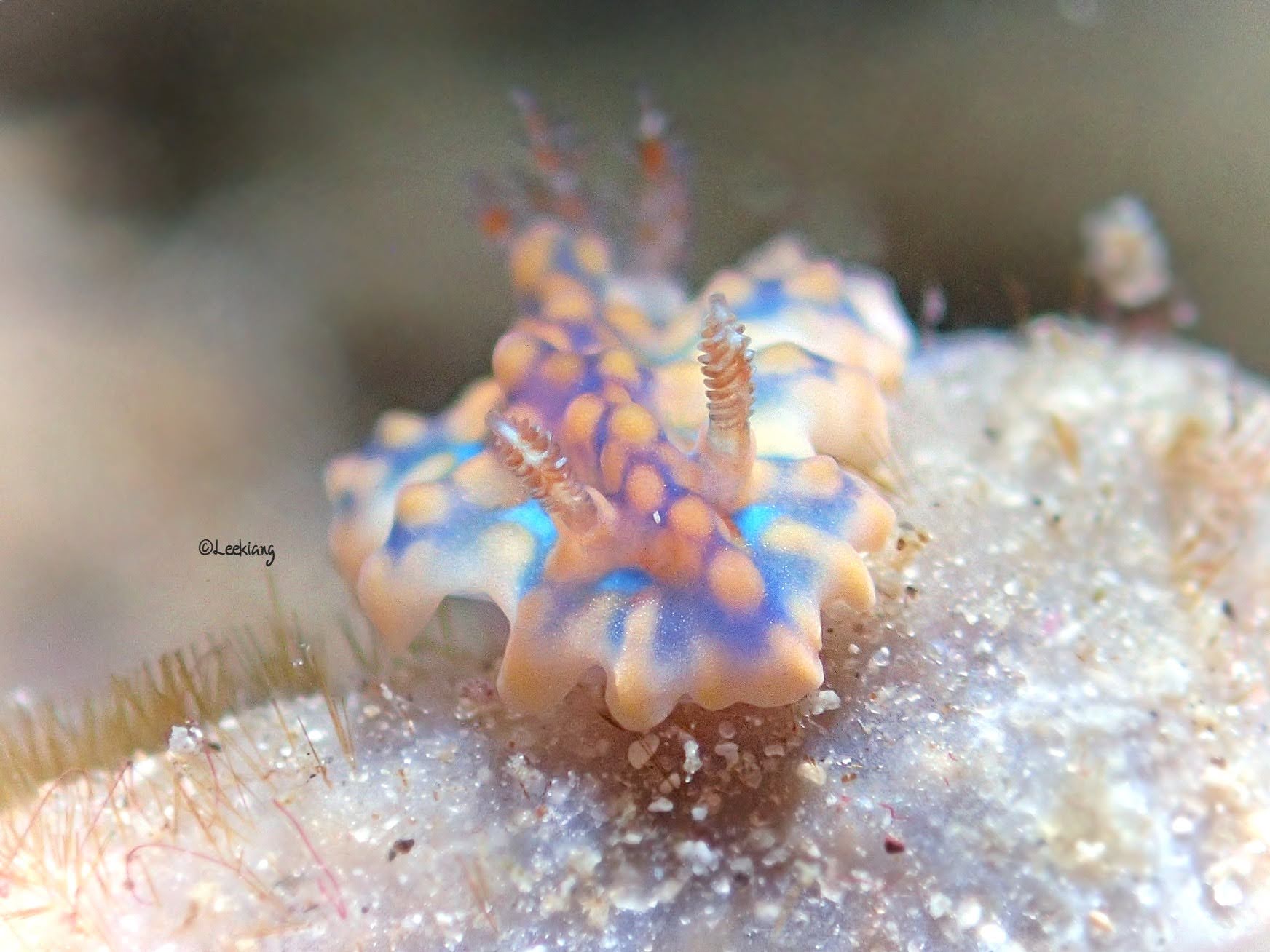
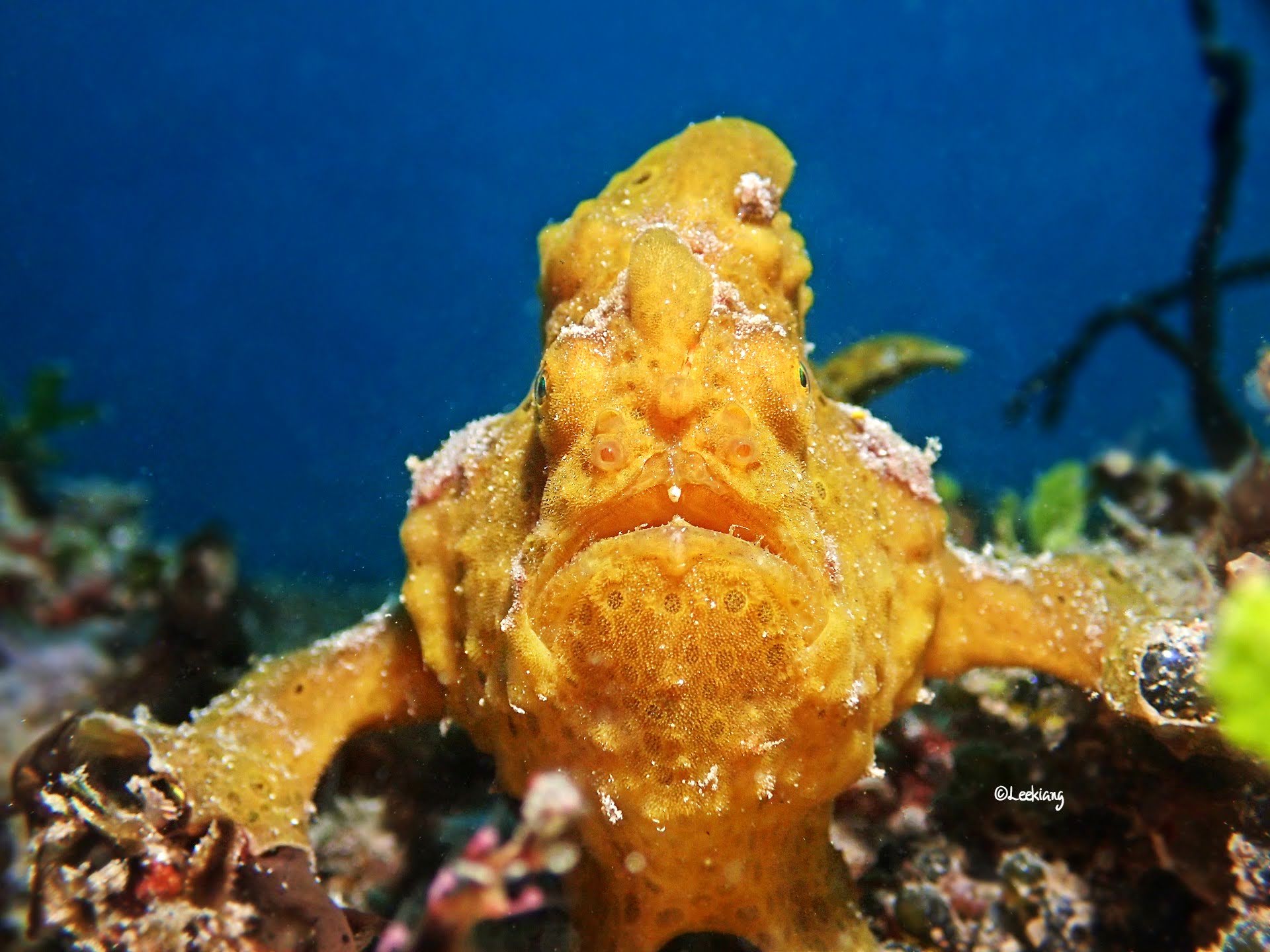
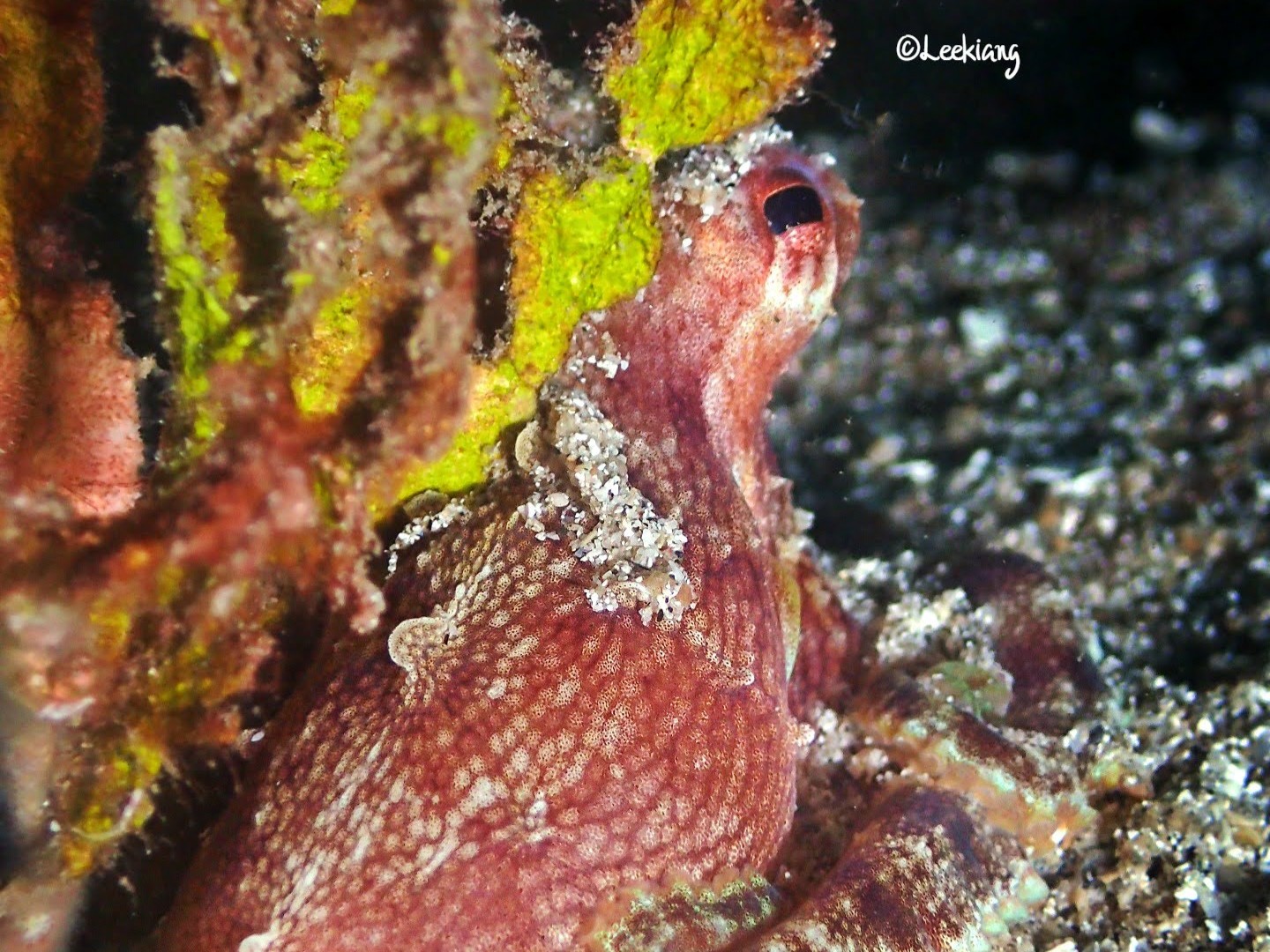
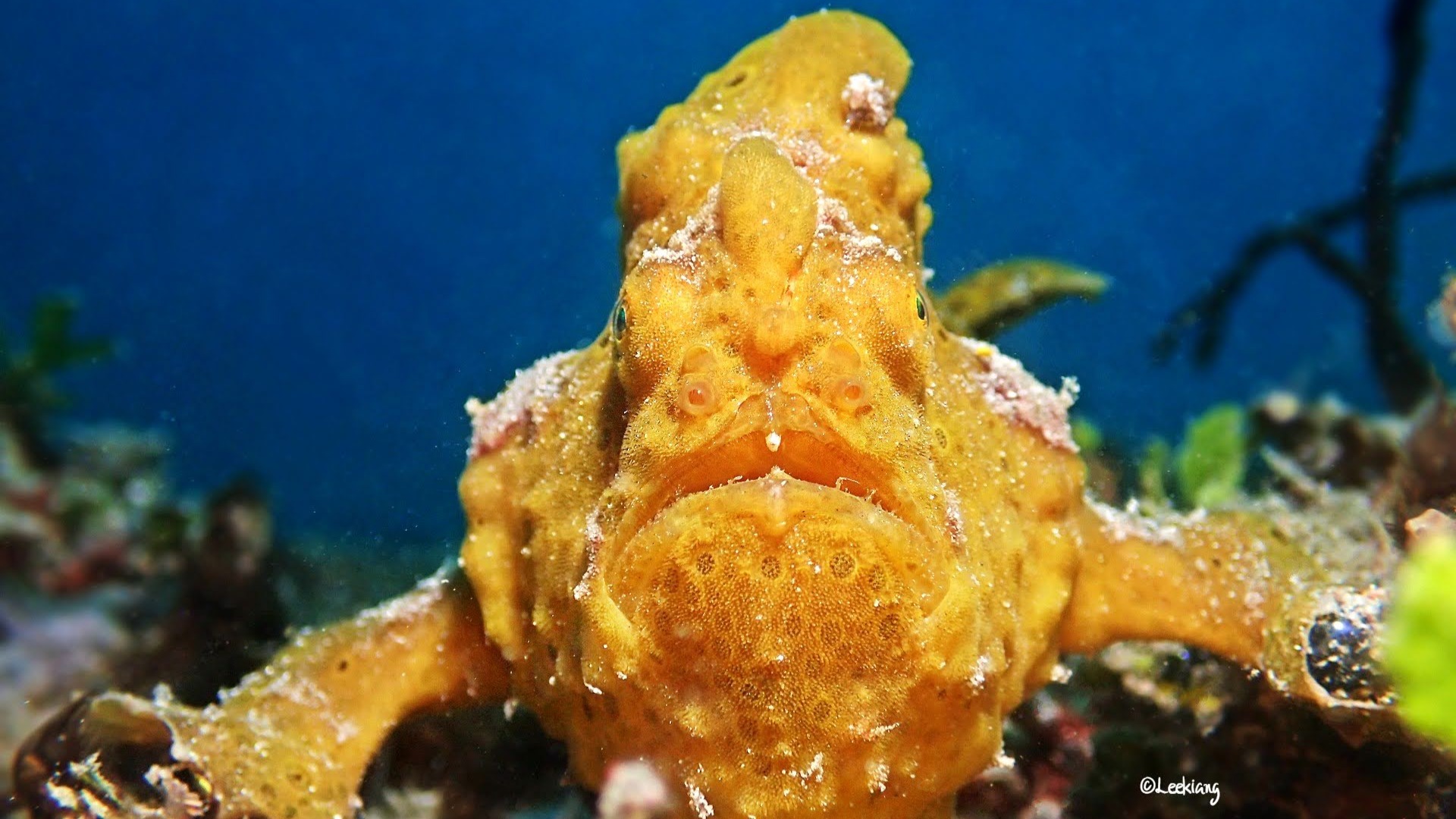
When most people think of diving in Indonesia, they imagine vibrant coral reefs and schools of colorful fish. But there's another side to Gili Gede that few divers discover — muck diving. And with Signature Scuba Gili Gede, you'll have access to some of the most productive muck sites in Lombok.
Unlike traditional reef diving, muck diving focuses on exploring sandy or silty seabeds, where a fascinating array of cryptic and unusual marine creatures thrive. The Gili Islands and South Lombok offer excellent muck diving sites that attract macro photographers and critter lovers from around the world.
🐙 What is Muck Diving?
Muck diving takes place on sandy, silty bottoms — often near river mouths or protected bays — where the substrate is dark and "mucky." At first glance, these sites might look barren. But look closer, and you'll discover an extraordinary concentration of rare and bizarre creatures that don't live on coral reefs. It's the ultimate treasure hunt for macro photographers and critter lovers.
🌟 Why Gili Gede for Muck Diving?
The calm, protected bays around Gili Gede and the nearby mainland coast of South Lombok offer excellent muck diving conditions. With very few divers exploring these sites, the critters are undisturbed and easier to approach.
Key advantages of muck diving with Signature Scuba:
- 🦑 Undisturbed sites – Few divers means shy creatures are more confident
- 📸 Perfect for macro photography – Slow-moving subjects and dark backgrounds make for stunning photos
- 👥 Small groups – Maximum 4 divers per guide ensures you get time with every critter
- 🔦 Experienced guides – Our local guides have eagle eyes for finding the tiniest creatures
🧠 Cephalopods — Masters of Intelligence & Camouflage
- 🔵⚠️ Blue-ringed octopus — Tiny, beautiful, and extremely venomous. Its glowing blue rings appear when threatened — look, don't touch.
- 🎭🐙 Mimic octopus — Famous for impersonating other animals like lionfish, flatfish, and sea snakes.
- 🎨🦑 Flamboyant cuttlefish — One of the most photogenic critters — walks along the seabed and flashes intense colors when disturbed.
🦐 Strange & Perfectly Camouflaged
- 🦐💥 Mantis shrimp — Known for one of the fastest strikes in the animal kingdom — powerful enough to crack shells.
- 🪸🦀 Decorator crab — Masters of disguise — literally attach algae, sponges, and debris to themselves.
- 🎨🦐 Harlequin shrimp — Stunning patterns, often found in pairs, feeding exclusively on starfish.
- 🐡🎣 Frogfish — Possibly the ultimate camouflage experts — can look like sponges, rocks, or algae.
- 🍃🐟 Ghost pipefish — Delicate and leaf-like, often hovering vertically to blend into soft corals or debris.
📍 Best Muck Diving Sites Near Gili Gede
| Site | Location | Highlights |
|---|---|---|
| Secret Bay (Teluk Kodek) | Mainland Lombok (45 min boat) | Famous muck site – frogfish, ghost pipefish, seahorses, mimic octopus. One of Lombok's best. |
| Gili Goleng (Secret Gilis) | Near Gili Gede | Shallow sandy slopes with seagrass – bobtail squid, flounders, pygmy seahorses on nearby sea fans. |
| Gili Rengit – East Side | Gili Rengit | Sandy patches between coral bommies – cuttlefish, octopus, stargazers, and flatfish. |
| Sekotong Bay | Mainland Lombok | Protected bay with dark sandy bottom – harlequin shrimp, ribbon eels, and frogfish. |
📝 Note: Some muck sites require a longer boat ride (30–60 minutes). Our team will advise on the best option based on weather, tides, and your interests.
💙 Why Divers Love Muck Diving in Gili Gede
Frogfish, blue-ring octopus, mimic octopus, seahorses, and ghost pipefish — species you won't see on coral reefs.
Bright colors against dark sand create stunning contrast. Perfect conditions for macro lenses.
Unlike Lembeh or Bali, Gili Gede's muck sites are still relatively undiscovered — enjoy peaceful, uncrowded dives.
Muck diving is slow, meditative, and requires excellent buoyancy control — a rewarding challenge for experienced divers.