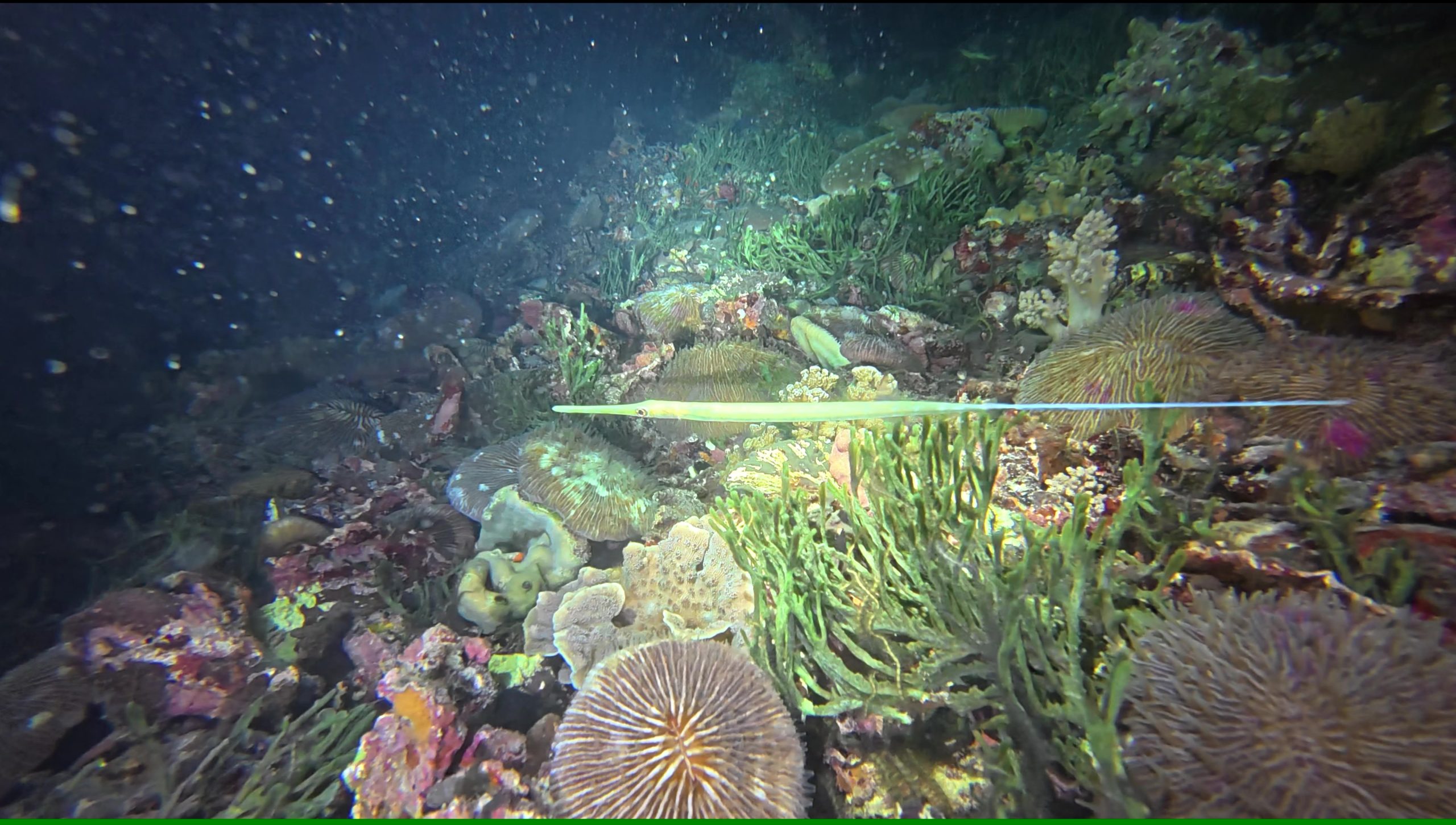
Night Dives

Night dives offer a unique underwater experience, allowing divers to explore the ocean after sunset. Equipped with dive lights, you can witness nocturnal marine life, bioluminescence, and the serene beauty of the underwater world in a completely different light.

Night Dives

Night dives are available at 5:30 PM, weather permitting.

A scuba refresher course is designed for certified divers who haven’t dived in a while or feel a bit rusty. It helps you regain your confidence and refresh your skills. The course includes a knowledge review and a Confined Water Session to practice key diving techniques in a controlled environment.

IDR 730,000

Select other Scuba CoursesBook Now

Night diving is one of the most thrilling and unique experiences in scuba diving.

Anyone who is a certified diver, feels confident in their skills, and is physically fit can participate in a night dive.

For those new to the experience, guided night dives or a specialty night diving course are excellent ways to build confidence and learn essential techniques.

Night dives are not just for advanced divers—they offer an exciting opportunity for anyone to explore a completely different side of the underwater world.

Who is This Course For?

🌙 Who Can Join a Night Dive?

Night diving offers a magical glimpse into the underwater world after dark, but it requires certain qualifications and comfort levels to ensure a safe and enjoyable experience. Here’s what you need to know before joining.


1. 🎓 Certified Divers

Requirement Details
Basic Certification Required To participate in a night dive, you generally need to be a certified diver, such as an Open Water Diver (OWD) or higher, which means you’ve learned the fundamentals of scuba diving and have the knowledge and skills to dive safely.
Advanced Skills Night diving adds a layer of complexity compared to daytime diving, so it’s important that you’re comfortable with basic skills like buoyancy control, using your gear, and communicating underwater before diving in the dark.

📌 Note: Your Open Water Diver certification qualifies you for night dives, but comfort with the basics is essential. If it’s been a while since your last dive, consider a refresher before venturing out after dark.


2. 🌑 Comfortable with Diving at Night

Requirement Details
Comfort Level Night dives require a strong level of comfort with scuba diving. You need to feel confident in your buoyancy, your dive skills, and your ability to navigate in limited visibility, as it’s easy to get disoriented in the dark.
Experience Matters While you don’t need advanced certifications like Rescue Diver or Divemaster, it helps to have some diving experience (usually at least a few dives) before trying a night dive.

📌 Note: The ocean feels different at night. Familiar sites transform, and your senses adjust to relying on light beams rather than ambient sunlight. Confidence in your core skills makes this transition much smoother.


3. 💪 Must Be Physically Fit

Requirement Details
Good Health As with all scuba diving, you need to be in good physical condition. Night diving doesn’t require extra physical effort, but your overall health and fitness level should meet the standard for recreational diving. If you have any medical conditions, consult your doctor before diving.

📌 Note: The physical demands of night diving are similar to daytime diving, but mental focus and calmness are especially important. Being well-rested and properly hydrated sets you up for success.


4. 📚 Participants in Specialty Courses

Requirement Details
Night Diver Specialty Course If you’re new to night diving or want to build confidence, you can take a Night Diver Specialty Course (offered by organizations like SSI). This course teaches skills such as using your light effectively, navigating in the dark, and handling the unique challenges of night dives.
Guided Night Dives If you’re unsure, guided night dives with an instructor provide a safer and more comfortable introduction, as you’ll be accompanied by someone familiar with the dive site.

📌 Note: Many divers find the Night Diver Specialty to be one of the most rewarding courses they take. It transforms a potentially intimidating experience into a confident, skill-based adventure.


5. ⚠️ Who Should Avoid Night Diving

Category Reason
New or Inexperienced Divers If you’re still early in your diving journey and not fully comfortable with basic skills, it’s best to gain more experience with daytime dives first.
Those with Anxiety or Fear If you tend to feel anxious or uneasy in dark or unfamiliar environments, a night dive may feel overwhelming. Being mentally prepared is essential.
Health Concerns Individuals with certain health conditions, such as respiratory or heart issues, should avoid diving—including night dives—unless cleared by a physician. Always be transparent about your medical history when planning any dive.

📌 Note: There’s no rush to try night diving. It’s meant to be an exciting addition to your diving repertoire—not a source of stress. When you’re ready, the nocturnal world will be waiting.


✅ Night Dive Readiness Checklist

Requirement Status
🎓 Certified Diver Open Water Diver certification or higher
🌑 Comfort with Night Confident in buoyancy, gear use, and communication
💪 Physical Fitness Good overall health, well-rested
📚 Training or Guidance Night Diver Specialty or guided dive with instructor
🧠 Mental Readiness Calm and excited—not anxious or uncertain

📌 Final Note: Night diving reveals a side of the ocean most people never see. Nocturnal marine life emerges, colors appear more vibrant under your light, and familiar dive sites become entirely new adventures. With the right qualifications, preparation, and guidance, you’ll discover why many divers say night dives are their absolute favorites.

Ready to explore the ocean after dark? Contact Signature Scuba Group to book your night dive or Night Diver Specialty course today! 🌙🤿🔦✨🐙

What you can expect during a night dive

🌙 What to Expect During a Night Dive

Night diving transforms the underwater world into something magical and mysterious. Here’s what you can expect when you take the plunge after dark.


1. 📋 Pre-Dive Briefing

Step What Happens
Site Overview Your dive guide will provide a briefing on the dive site, explaining how it may look different at night and highlighting unique marine life you might encounter.
Safety & Procedures You’ll review important safety protocols, including how to use your dive light effectively and how to maintain clear communication with your buddy and guide.

📌 Note: Familiar daytime sites become entirely new landscapes at night. Your guide will point out where to expect nocturnal creatures and how to navigate the site in darkness.


2. 🔦 Equipment Check

Step What Happens
Lights & Gear In addition to standard dive equipment, you’ll be given a strong dive light or flashlight, which is essential for visibility and spotting nocturnal marine life.
Wetsuit/Protection Since night diving can be cooler, you may need a thicker wetsuit or additional thermal protection depending on water temperature.

📌 Note: A primary light and a backup light are standard for night diving. Your guide will show you proper light handling—from signaling to spotlighting marine life without disturbing it.


3. 🌊 Entering the Water

Step What Happens
Slow & Steady With reduced visibility, entry into the water is done more carefully, whether from a boat or the shore.
Using Your Light Once underwater, your flashlight becomes your primary tool for exploration, revealing hidden details like bioluminescent plankton and glowing creatures.

📌 Note: Give your eyes time to adjust. Once underwater, you’ll be amazed at how your light beam cuts through the darkness, turning every sweep into a discovery.


4. 🐙 The Dive

Step What Happens
Unique Marine Life Many marine animals are more active at night. You may encounter squids, lobsters, octopuses, and predatory fish that emerge after dark.
Increased Sensory Experience The darkness heightens your awareness, making you rely more on your light, touch, and sound to navigate.
Buoyancy Control Maintaining proper buoyancy remains essential, and your instructor will guide you to ensure safe and comfortable movement underwater.

📌 Note: Night dives reveal a cast of creatures that hide during the day. Watch for sleeping parrotfish wrapped in mucus cocoons, hunting moray eels, and the mesmerizing dance of bioluminescent plankton when you turn off your light.


5. 🚤 Post-Dive

Step What Happens
Returning to the Surface At the end of the dive, you’ll ascend and return to a well-lit boat or shore for easier navigation.
Review the Experience After surfacing, you’ll have the chance to discuss memorable moments and marine life sightings from your dive.

📌 Note: The post-dive debrief is especially lively after night dives—divers love sharing what they spotted, from camouflaged octopuses to hunting lionfish.


6. ✨ Fun and Fascination

Step What Happens
A New Perspective Night diving offers a completely different atmosphere, with calm surroundings and the focused beam of your light creating a unique, almost otherworldly experience.
Photography/Footage Night dives are excellent for underwater photography, as the lighting can produce dramatic and vivid images. Some dive operators may also offer to capture footage of your experience.

📌 Note: There’s something almost meditative about night diving—the darkness quiets the world, and your light beam becomes your entire universe. It’s an experience that stays with you long after you surface.


✅ Night Dive Experience Summary

Stage Focus
📋 Pre-Dive Briefing Site overview, nocturnal marine life, and light communication
🔦 Equipment Check Primary and backup lights, thermal protection
🌊 Entering the Water Careful entry, light activation, and orientation
🐙 The Dive Nocturnal creatures, heightened awareness, buoyancy control
🚤 Post-Dive Well-lit exit, story sharing, and marine life review
✨ Fun & Fascination A unique, almost otherworldly underwater experience

📌 Final Note: Night diving is not just a different time of day—it’s an entirely different world. The ocean after dark reveals creatures, behaviors, and sensations you simply cannot experience during daylight hours. With proper preparation, guidance, and a sense of adventure, you’ll discover why many divers consider night dives their absolute favorites.

Ready to explore the ocean after dark? Contact Signature Scuba Group to book your night dive or Night Diver Specialty course today! 🌙🤿🔦🐙✨

Why Do Divers Choose Night Dives?

Why You Should Try a Night Dive

Night diving offers a completely new way to experience the underwater world. From rare marine life encounters to enhanced diving skills, here are the top reasons to take the plunge after dark.


1. 🐙 Experience Unique Marine Life

Reason What Makes It Special
Nocturnal Creatures Many marine species, such as lobsters, crabs, octopuses, and eels, are more active at night and are rarely seen during daytime dives.
Hunting Behavior Predators like sharks, barracudas, and cuttlefish often hunt at night, offering a rare glimpse into their natural behavior.
Bioluminescence Tiny plankton and other marine organisms can glow in the dark, creating a magical and otherworldly underwater experience.

📌 Note: The ocean transforms after sunset. Creatures that hide during the day emerge, and if you’re lucky, turning off your light reveals a shimmering display of bioluminescence—nature’s own light show.


2. 🔄 A Completely Different Perspective of Familiar Dive Sites

Reason What Makes It Special
Day vs. Night Transformation Dive sites that may seem ordinary during the day come alive at night. Coral polyps, for example, extend their tentacles to feed, giving reefs a vibrant and alien-like appearance.
Spotlight Effect Your dive light highlights details often missed during the day, such as intricate coral textures and hidden creatures in crevices.

📌 Note: A site you’ve dived dozens of times becomes entirely new at night. Your light beam reveals details—tiny shrimp eyes reflecting back, sleeping fish tucked into coral, and the delicate feeding structures of reef organisms.


3. 😌 The Serenity of Diving in Darkness

Reason What Makes It Special
Peaceful Atmosphere Night dives are typically quieter and more tranquil, with fewer divers and minimal surface disturbance.
Focus and Awareness Limited visibility narrows your focus, making each observation feel more immersive and intimate.

📌 Note: There’s a unique calm that settles over night dives. Without the distractions of sunlight and crowds, you become completely present—your light beam your only focus, each discovery deeply personal.


4. 📈 Enhanced Diving Skills

Reason What Makes It Special
Navigation Mastery Navigating in low-light conditions sharpens your orientation skills and builds confidence.
Buoyancy Precision Greater control is needed to avoid disturbing marine life or stirring sediment, improving your overall buoyancy.

📌 Note: Skills learned on night dives translate directly to daytime diving. You’ll return to daylight dives with sharper navigation instincts, better buoyancy control, and heightened situational awareness.


5. ⚡ Adventure and Exploration

Reason What Makes It Special
Excitement of the Unknown Night dives add an element of thrill, as you never know what creatures you’ll encounter.
Breaking the Routine They offer a fresh and exciting perspective, even for experienced divers.

📌 Note: Every night dive is a genuine adventure. The beam of your light sweeps across the reef, revealing creatures you might never see during the day—each shadow holding the promise of discovery.


6. 📸 Improved Photography Opportunities

Reason What Makes It Special
Vibrant Colors Without sunlight, dive lights reveal the true, vivid colors of coral and marine life.
Unique Shots Night conditions allow for capturing rare moments like glowing plankton and nocturnal animals in action.

📌 Note: Underwater photographers love night dives. Your artificial light brings out colors that sunlight washes out, and the chance to capture hunting predators or bioluminescence is unmatched.


7. 🚀 Preparation for Advanced Diving

Reason What Makes It Special
Builds Confidence Night diving helps you stay calm and alert in low-visibility environments.
Expands Diving Skills It supports progression into advanced certifications and more challenging dives such as wreck or cave diving.

📌 Note: Night diving is excellent preparation for overhead environments like wrecks and caves, where light management and calmness in confined spaces are essential skills.


8. 🎉 Because It’s Fun!

Reason What Makes It Special
Mystery and Magic Diving in the dark feels like exploring an unknown world filled with wonder.
Unforgettable Memories The unique sights and peaceful ambiance create lasting and memorable experiences.

📌 Note: At its core, night diving is simply pure fun. The thrill of discovery, the beauty of bioluminescence, the peace of floating in darkness—it’s an experience that stays with you long after you surface.


✅ Why Try a Night Dive: Summary

Reason The Experience
🐙 Unique Marine Life See nocturnal creatures, hunting predators, and bioluminescence
🔄 New Perspective Familiar sites become entirely different after dark
😌 Serenity Quieter, more peaceful, and deeply immersive
📈 Enhanced Skills Sharpen navigation, buoyancy, and awareness
⚡ Adventure The thrill of exploring the unknown
📸 Better Photos Vibrant colors and rare nocturnal shots
🚀 Advanced Prep Build confidence for wreck and cave diving
🎉 Pure Fun Mystery, magic, and unforgettable memories

📌 Final Note: Night diving isn’t just a variation on daytime diving—it’s an entirely different experience. The ocean after dark reveals a cast of characters, a sense of serenity, and a level of excitement that daytime simply cannot match. Whether you’re a newly certified diver or a seasoned pro, your first night dive will likely become one of your most cherished underwater memories.

Ready to discover the magic of diving after dark? Contact Signature Scuba Group to book your night dive or Night Diver Specialty course today! 🌙🤿🔦🐙✨📸